
Mike Miller was invited to speak at SecureWorld Charlotte in a fireside chat titled, "Your Career in Cybersecurity" in early March. Mike is sharing his experience - tag along as he gives his first-hand account!
Appalachia Technologies Blog
Appalachia Technologies team is comprised of a diverse mix of IT professionals, some of whom have been on the forefront of IT since the industry’s inception. Through the years, our team has developed a wide array of experience in understanding individual needs and how they relate to your business.
 When it comes to managing your business’s IT infrastructure, there are several options available. One is fully managed IT, where an IT service provider takes care of all aspects of your IT needs, from monitoring and maintenance to troubleshooting and problem resolution. Another option is co-managed IT.

Your software is only as good as its last patch. Reaching End of Life (EoL) or End of Service (EoS) means critical patches and updates are no longer available, leaving you vulnerable to various problems.
Some make the mistake of not rushing to upgrade the software because it is still functional. However, outdated software can lead to security risks, data loss, compliance issues, and more.
In this blog, we will discuss the primary implications of running outdated software and explain why it’s crucial to take action when your software reaches EoL or EoS.
Central Penn Business Journal has released the 2023 Book of Lists and Appalachia Technologies is proud to be included in both the Cybersecurity Companies and System Integrators lists!
 When a software or hardware product reaches its End of Life (EoL) or End of Service (EoS), it's no longer supported by the manufacturer. This can be a cause of concern for organizations like yours because unsupported technologies have no routine internal security measures or support from the manufacturer.
The good news is that there are steps you can take to mitigate the risks that come with EoL software/hardware and protect your business. Read on further to learn about them.
It'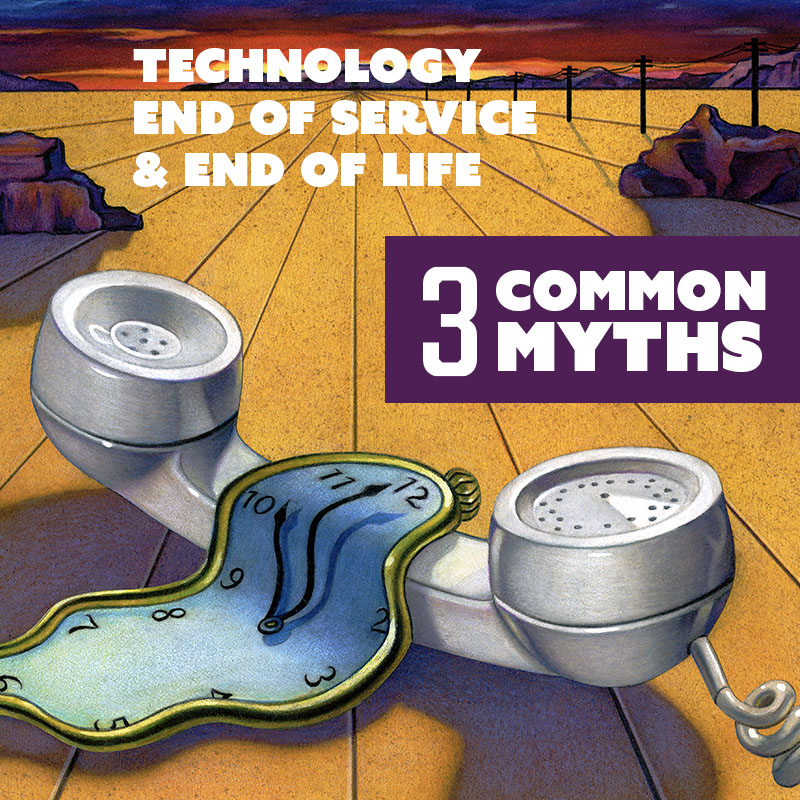 s crucial to keep all software and hardware up to date to maintain optimal security. If you don’t, cybercriminals can easily infiltrate your network and the chances for downtime increase significantly. However, many businesses don't realize that expired software/hardware can actually be one of the most prominent security risks hindering their success.
We are all aware of the term “use by date.” It is regularly used when talking about food and medications and refers to the date after which the product is no longer safe to consume. However, did you know that your software and hardware can expire too?
 Cyber insurance is a type of insurance that protects businesses from financial losses that can result from a cyberattack. While it’s an essential tool for businesses of all sizes, there are some facts you should be aware of before purchasing a policy.
As I’m sitting in my office looking at the wintry precipitation fall, it makes me long for a warmer climate. Well, I happen to be in luck, as next week I will be attending the Zero Trust World Conference, presented by ThreatLocker; which takes place in sunny and warm Orlando, Florida. In the midst of packing, making lists of things to take along, and making sure I’m TSA compliant, I have had my ear to the wire about the events being announced for the conference. Here is a preview of what is to come!
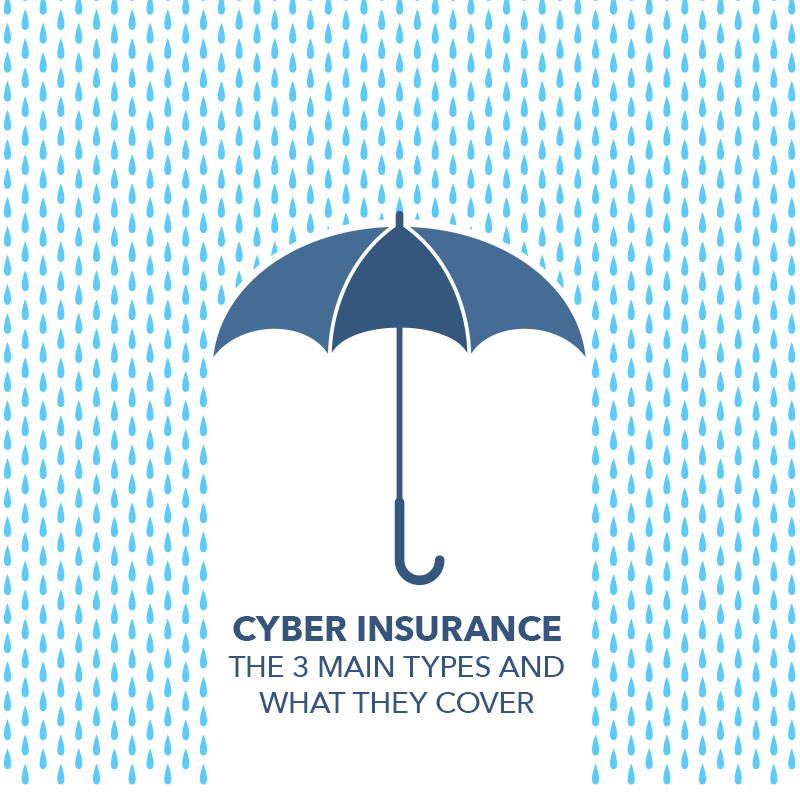 As the world becomes more digitized and cybercrime increases, the need for cyber insurance is something businesses should not overlook. If your company handles, transmits or stores sensitive data, you need to know about cyber insurance.
 When looking for cyber insurance for your small business, you may find it hard to navigate technology and insurance jargon. There are even different types of cyber coverage and you might not be sure what you need because you’re not a cybersecurity expert. Plus, once you do have coverage, there’s always the risk of not receiving a payout in the event of an incident if you didn’t meet your policy’s requirements.
 As the world increasingly moves online, so do the risks to our businesses. Cyber insurance is one way to help your business recover following a cyberattack. It covers financial losses caused by events such as data breaches, cyber theft, ransomware, and more.
P R E S S R E L E A S E
Grantville, PA: On Wednesday, October 19, Appalachia Technologies will be hosting a free in-person cybersecurity summit at the Hollywood Casino at Penn National Race Course for regional CIOs, CISOs, and IT Security Leaders.
Sixth-Annual List & Research Identifies Leading Managed Security Service Providers Worldwide
September 20, 2022, Mechanicsburg, PA: MSSP Alert, a CyberRisk Alliance resource, has named Appalachia Technologies to the Top 250 MSSPs list for 2022 (http://www.msspalert.com/top250).

In your city or town, you know that stretch of road or highway that feels like it has been under construction for 10 years? In many ways, the development of CMMC can feel like it too is marked with orange cones and will be underway for years. From the most significant change of CMMC 1.0 (the OG version) to the November 2021 update to CMMC 2.0, to even the CMMC-AB name change to The Cyber AB, new information seems to keep coming with timelines shifting. While The Cyber AB holds monthly Town Hall webinars to share updates, the DoD and various vendors are also sharing out information via webinars. Recently, PreVeil, a DoD supplier, along with members of the Manufacturing Extension Partnership, hosted a webinar with DoD leaders Stacy Bostjanick (DoD CMMC Program Head) and Dave McKeown (DoD CISO) to review recent updates and timelines.
Mechanicsburg, PA, February 14, 2022 — Appalachia Technologies announced today that CRN®, a brand of The Channel Company, has named Appalachia Technologies to its Managed Service Provider (MSP) 500 list in the Pioneer 250 category for 2022. CRN’s annual MSP 500 list identifies the leading service providers in North America whose forward-thinking approaches to managed services are changing the landscape of the IT channel, helping end users increase efficiency and simplify IT solutions, while maximizing their return on investment.
P R E S S R E L E A S E
Mechanicsburg, PA, February 14, 2022: Today, Appalachia Technologies, a Managed IT and Cybersecurity Provider, announced their acquisition of Cyber Protection Group (CPG), a cybersecurity company specializing in penetration testing and compliance. The acquisition is another advancement in the growth of Appalachia’s cybersecurity core business competency.
PRESS RELEASE
Mechanicsburg, PA, December 10, 2021: Appalachia Technologies, a Managed IT and Cybersecurity Provider, was named an approved Managed Security Services vendor for PASSHE, the Pennsylvania State System of Higher Education.
 The year is 2021. We don’t have flying cars or robot maids, but nearly 5 billion souls worldwide are now connected to the Internet and to each other. This is a beautiful thing and a remarkable feat of human ingenuity. However, every rose has its thorn (to borrow from the great post-modern philosopher Bret Michaels) and to us who work in cybersecurity, 2021 was thornier than ever.
Here is Appalachia’s 2021 Cybersecurity Year in Review!
What is MDM?
 Mobile Device Management is software that allows companies to administrate mobile devices like smartphones or tablets. Many people are familiar with desktop PCs connected to a local domain. MDM is based on a similar idea, but MDM allows settings, apps, and content to be managed across different operating systems (like iOS or Android) and devices do not need to be connected to a local domain controller. Essentially, it allows companies to manage phones and tablets no matter where those devices are located.