
You're managing IT for a growing company - probably with a small team, a long ticket queue, and a leadership team that's suddenly asking, "What are we doing with AI?" It's a fair question, probably one you have as well. The pressure to adopt AI is real. But so is the risk of doing it badly.
This post is for IT managers who want a grounded, practical framework for approaching AI - not buzzword soup, but an actual starting point that accounts for your constraints.




 I started writing SSP’s (System Security Plans) well before the original Executive Order mandated deadline of December 31st 2017 and have since written at least 50 SSP’s for defense contractors of every imaginable type and size. There wasn’t a lot of guidance on how to do this at that time, other than to have a very thorough and complete understanding of the nearly 500-page NIST 800-53 framework.
 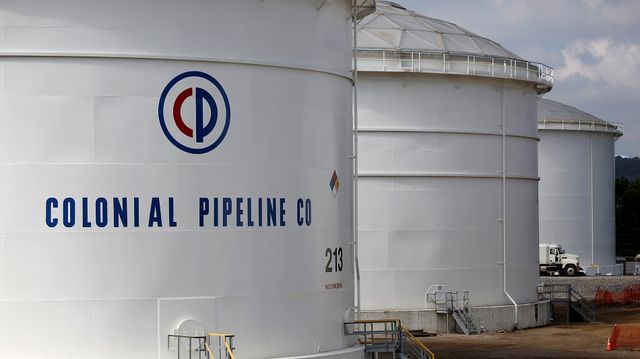 Over the weekend, the Colonial Pipeline, one of the largest US pipelines and a major supplier for the East Coast, was hit by a cyber attack. A ransomware attack caused the company to shutdown operations as they work through the necessary steps to respond and recover, however the impact is expected to be significant if fuel terminals experience outages as a result in disruption to their supply. The Colonial Pipeline supplies diesel, gasoline, and jet fuel. The US government has issued an emergency waiver to allow an exemption for drivers related to hours of service, as well as exemptions related to fuel transportation via tanker ships. To compound the supply issues further, the US is experiencing a shortage of fuel truck drivers, areas of the US are opening up further from COVID restrictions which is expected to increase travel, and we are approaching the summer travel season which notoriously increases fuel demands.


