
One of the great “must reads” for us cybersecurity wonks is the annual DBIR (Data Breach and Incident Response), issued by Verizon every year since 2008. While never dull, the DBIR is not a light read and comes in at a meaty 115 pages this year. While we at Appalachia are delighted to stuff our horns with popcorn and study every last page, we realize that not everyone can make the time to fully digest this comprehensive treatise. To that end, we have taken the time to write an executive summary of the DBIR for readers of our blog – because we care, and we don’t want you missing reruns or tee time.
This year’s DBIR is broken up into 8 major sections: Introduction, Results and Analysis, Incident Classification Patterns, Industries, SMB, Regions, Wrap-up, and Appendices. Let’s dig in by getting a sense of the sheer amount of work that the DBIR team puts in here:

 I started writing SSP’s (System Security Plans) well before the original Executive Order mandated deadline of December 31st 2017 and have since written at least 50 SSP’s for defense contractors of every imaginable type and size. There wasn’t a lot of guidance on how to do this at that time, other than to have a very thorough and complete understanding of the nearly 500-page NIST 800-53 framework.


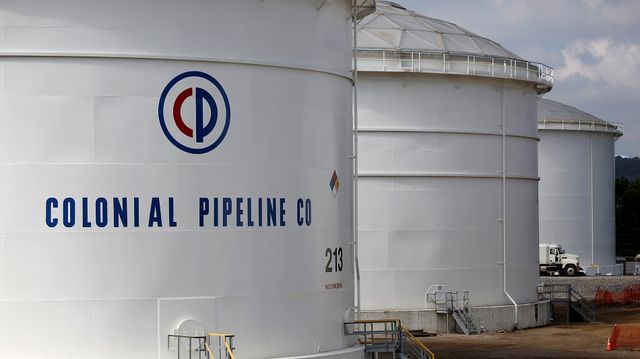 Over the weekend, the Colonial Pipeline, one of the largest US pipelines and a major supplier for the East Coast, was hit by a cyber attack. A ransomware attack caused the company to shutdown operations as they work through the necessary steps to respond and recover, however the impact is expected to be significant if fuel terminals experience outages as a result in disruption to their supply. The Colonial Pipeline supplies diesel, gasoline, and jet fuel. The US government has issued an emergency waiver to allow an exemption for drivers related to hours of service, as well as exemptions related to fuel transportation via tanker ships. To compound the supply issues further, the US is experiencing a shortage of fuel truck drivers, areas of the US are opening up further from COVID restrictions which is expected to increase travel, and we are approaching the summer travel season which notoriously increases fuel demands.


